Rubbish removal guide for Erith High Street residents
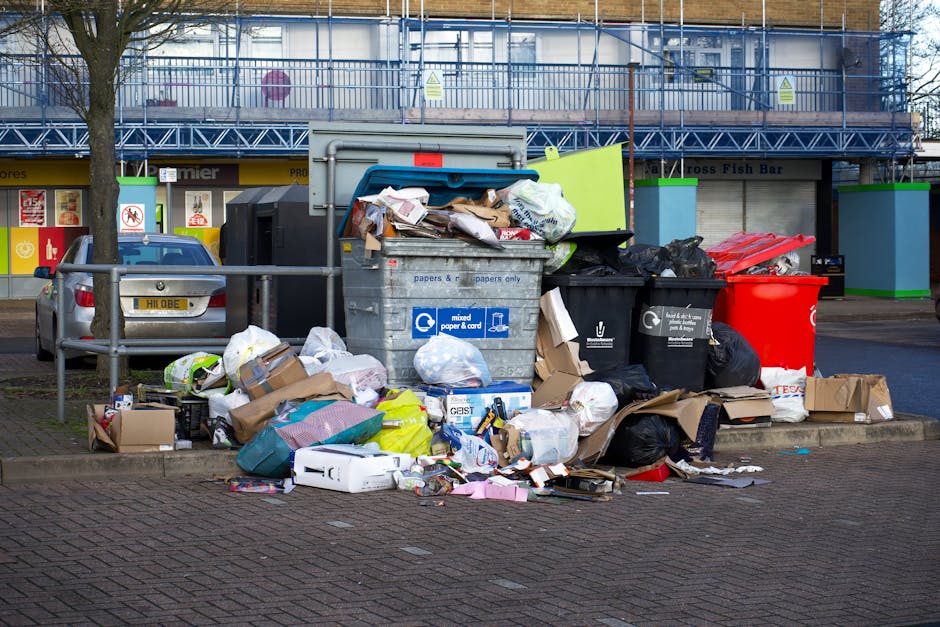
If you live or run a business near Erith High Street, rubbish can build up faster than you expect. A flat clearance after a move, a few weeks of garden cuttings, a kitchen rip-out, or a pile of builder's debris from a small refurb can suddenly take over the space you actually want to use. This rubbish removal guide for Erith High Street residents explains the practical options, the usual pitfalls, and the easiest way to choose between a collection service, a skip, a wait-and-load option, or a grab hire solution. The aim is simple: help you clear waste without turning your week upside down.
High Street properties bring their own quirks. Access can be tight. Parking can be awkward. Timings matter because neighbours, customers, and traffic all play a part. So the best approach is rarely just "book the first thing you see". It is about matching the waste, the location, and the time available. Let's make it straightforward.
Why rubbish removal matters for Erith High Street residents
On a busy street, waste is never just waste. It can block entrances, attract complaints, make rooms unusable, and create a bit of low-level stress that follows you around all day. You notice it most when it starts to smell damp after rain, or when bags sit by the front door and everyone has to sidestep them for days. Not ideal.
For residents, rubbish removal matters because it protects living space and saves time. For landlords and letting agents, it helps turn properties around faster. For shop owners and offices near the High Street, it keeps the front of house presentable and reduces disruption. And for anyone doing improvements, it can prevent a small project from becoming a messy, drawn-out one.
The other reason it matters is scale. One bulky item is manageable. Ten bin bags, a broken wardrobe, a mattress, and a few sheets of plasterboard? That is a different job entirely. Choosing the right removal method early usually saves more than money. It saves energy, delays, and those awkward "we'll deal with it next weekend" moments that tend to multiply.
In our experience, the households that clear waste most smoothly are the ones that sort it before collection day. Not perfectly. Just sensibly. Mixed rubbish, furniture, recyclable material, and anything hazardous each need a slightly different plan.
How rubbish removal works
Rubbish removal is the process of collecting, loading, and disposing of unwanted waste through a licensed, organised service. Depending on the job, that might mean a team loading the rubbish for you, a skip left for a set period, or a grab vehicle collecting waste from the front of the property. There is no single "right" method. The best one depends on access, volume, and what the waste actually is.
For many Erith High Street homes and businesses, the main options are:
- Man and van clearance for smaller loads, mixed household waste, and quick collections.
- Skip hire for longer projects, ongoing clear-outs, and jobs where you want to load at your own pace.
- Wait and load when you have limited space or cannot leave a skip on the road.
- Grab hire for heavier, bulkier waste or loose material that can be collected from the kerbside or driveway.
There is a practical rhythm to it. You gather the waste, separate anything restricted, decide where it can be placed safely, and arrange the collection. If the street access is awkward, a service like wait and load skip hire can be a cleaner solution than trying to hold space for a skip. If the job is mostly loose rubble, soil, or heavy material, grab hire services may be a better fit.
For straightforward household clearances, a flexible local option such as rubbish removal often keeps things simple. If you are not sure how much space you need, the service pages for skip sizes and prices and what can go in a skip are useful reference points before you book.
Key benefits and practical advantages
The biggest benefit is obvious: you get your space back. But there are a few less obvious advantages that are worth paying attention to.
- Less disruption: a planned collection is easier to fit around work, school runs, deliveries, and neighbours.
- Better presentation: useful for homes for sale, rented properties, shops, salons, and offices.
- Safer access: fewer trip hazards and less clutter around doorways, corridors, and shared entrances.
- More efficient disposal: professional teams know how to separate recyclable material and handle restricted items properly.
- Less guesswork: you do not have to keep wondering whether one more bag will fit or whether a skip is the wrong size.
There is also a financial angle, though it is rarely just about the headline price. A cheap-looking solution that forces a second collection, a permit issue, or a wasted day can end up costing more. A well-matched service is usually better value.
For larger household jobs, it is often worth comparing house clearance, garage and loft clearance, and domestic skip hire. They solve similar problems, but in different ways. That distinction matters more than people expect.
Who this is for and when it makes sense
This guide is for anyone dealing with unwanted waste on or around Erith High Street. That includes people in terraced houses, flats above shops, small businesses, landlords, trades, and families tackling the sort of clear-out that gets bigger once you open the first cupboard. You know how it goes. One drawer becomes the whole room.
It makes sense to arrange rubbish removal when:
- you have bulky items that will not fit in normal household bins;
- you are clearing a room, attic, garage, or shed;
- you are renovating or redecorating;
- you have mixed waste from a small trade job;
- you need something gone quickly, perhaps before a viewing or delivery;
- you do not have space for a skip;
- you want the lifting and loading done for you.
For construction-related jobs, the options shift a bit. Builders and contractors often look at builders waste removal, construction waste disposal, or construction waste clearance depending on the mix of materials and site access. If the project is more severe, demolition waste removal becomes the sensible route.
Commercial customers may prefer commercial skip hire or office clearance if the problem is desks, filing, packaging, or old furniture. Different waste, different pressure points.
Step-by-step guidance
If you want the job to go smoothly, work through it in a calm order. Rushing the booking is how people end up with the wrong vehicle, the wrong collection window, or far more hassle than needed.
- Identify the waste type. Start by separating general rubbish, recyclable material, bulky furniture, garden waste, electrical items, and anything hazardous. This helps you avoid mixing items that should not travel together.
- Estimate the volume. A few bags is very different from a full room clearance. If you are unsure, take a rough photo and compare it against service guidance or ask for advice before booking.
- Check access. Can a vehicle stop nearby? Is there room for a skip? Are there loading restrictions, narrow entrances, low branches, or steep steps? On a street like Erith High Street, these details make a real difference.
- Choose the right method. Decide between collection, skip, wait and load, or grab hire. If you want speed and no long-term clutter outside, same day skip hire may be useful. If you want a more controlled, secure setup, enclosed and lockable skip hire can be a smart option.
- Confirm any permit need. If a skip will sit on a public road, you may need a permit. It is better to check early than to assume it will be fine. The pages on skip permits and skip hire permits are worth a look before you commit.
- Prepare the waste. Break down items where possible, protect fragile surfaces, and keep dangerous material separate. If you have confidential paperwork, look at confidential shredding rather than tossing it in with general rubbish. That is one of those small jobs that saves a later headache.
- Book a sensible time. Think about traffic, neighbours, and your own availability. A mid-morning slot may be easier than the school-run rush or the late-afternoon squeeze.
- Check disposal and payment details. Make sure you understand what is included, what happens if the load changes, and how payment is handled. A clear quote is always better than a vague promise.
If the rubbish includes a broken fridge, freezer, washer, or similar appliance, use a dedicated service such as fridge and appliance removal. Sofas and mattresses are another category worth treating separately; mattress and sofa disposal is usually the cleaner route.
Expert tips for better results
A few small choices can make a big difference. Honestly, most of the smooth jobs I see have one thing in common: someone took ten minutes to plan properly. Not glamorous, but effective.
- Keep the load as tidy as possible. Flatten cardboard, stack light furniture, and keep loose items contained. That often makes collection faster and cheaper.
- Separate heavy waste from mixed rubbish. Soil, rubble, and hardcore need different handling from furniture and bags of household waste.
- Use the right service for the site. For awkward access, a skip is not always the best answer. A grab vehicle or man-and-van collection can be much simpler.
- Ask about recycling. A responsible operator should be able to explain what is recycled and how waste is processed. If sustainability matters to you, the page on recycling and sustainability is a good place to start.
- Do not leave decisions until the day before. Prices, schedules, and access arrangements all tend to get tighter at short notice.
If you are in a pinch, a man and van style collection is often handy for one-off jobs with mixed waste. For heavier or larger volumes, builders skip hire or builders skip hire may be a better fit. Yes, choosing the wrong approach is the sort of thing that seems minor right up until everyone is standing around waiting.
One more thing: check whether items are reusable before they become waste. A decent chair, a working appliance, or leftover timber can sometimes be repurposed. Not everything needs to become a disposal problem immediately.
Common mistakes to avoid
The biggest mistake is assuming all rubbish is the same. It is not. Mixing the wrong items together can cause refusals, extra charges, or unsafe handling.
- Booking too small a service. People often underestimate how much volume a clear-out creates. Bags add up faster than you think.
- Ignoring access issues. A driveway may be available for loading, but a large vehicle may still struggle to reach it.
- Forgetting about permits. If a skip goes on the road, do not leave this until the last minute.
- Including restricted or hazardous items. Paints, chemicals, certain batteries, and other risky materials need specialist handling. If in doubt, check hazardous waste disposal.
- Not checking what is included in the quote. Clarify loading, waiting time, road access, and waste type before the job starts.
- Leaving rubbish exposed for too long. On a busy street, waste can spill, get wet, attract attention, or become a nuisance.
A smaller but common error is treating garden waste like ordinary household rubbish. Grass, branches, soil, and turf can often be handled more effectively through garden waste removal. That tends to keep the rest of the load cleaner and easier to process.
Tools, resources and recommendations
You do not need a complicated toolkit to organise waste, but a few simple things help.
- Heavy-duty sacks or bins for loose rubbish and smaller fragments.
- Gloves to protect hands from sharp edges, dust, and grime.
- A tape measure for doorways, access routes, and the likely size of bulky items.
- Labels or marker pens if you want to separate recyclables, reusables, and general waste.
- Phone photos to show a provider the volume and type of rubbish before booking.
For some jobs, the best resource is simply a clear conversation with the provider. If you explain the type of waste, the access conditions, and the speed you need, a good team can steer you in the right direction. That matters more than people think.
If you want to compare disposal methods before booking, these pages are especially useful: skip hire, skip sizes and prices, man and van, and grab lorry hire. They help you match the job to the method rather than guessing.
Expert summary: The smoothest rubbish removal jobs are usually the ones where the waste is sorted, the access is checked, and the collection method fits the site. A little planning up front avoids most of the mess later.
Law, compliance, standards and best practice
Waste disposal in the UK should be handled carefully and lawfully. You do not need to become an expert in waste legislation to clear your home or business, but you do need to follow sensible best practice. That means using a reputable carrier, making sure waste is passed to an authorised route, and not mixing in items that require specialist treatment.
For residents, the practical rule is simple: if an item is hazardous, electrical, sharp, messy, or potentially harmful, stop and check before putting it out. Do not just assume it can be thrown in with general waste. That applies to things like paints, solvents, batteries, chemicals, fridges, and some renovation materials.
If a skip is being placed on a public road, you should expect local permit requirements to apply. Exact arrangements vary, so it is sensible to confirm in advance rather than rely on guesswork. If you are not sure, the skip hire permits and skip permits pages are there to help explain the practical side.
For commercial customers, there is also a duty to stay organised with mixed waste streams, confidential material, and site safety. Businesses near the High Street often benefit from structured collection plans, especially if stockroom space is tight or footfall is regular. In those cases, commercial skip hire and office clearance can be more than convenient; they are often the cleaner operational choice.
Best practice also means choosing providers with clear policies around safety, security, insurance, and handling. For many readers, those details are not the first thing they think about. But they are worth checking before you book. A short read through health and safety policy, insurance and safety, payment and security, and the company's about us page can make the whole process feel more grounded and trustworthy.
Options, methods and comparison table
Here is a simple comparison to help you decide what makes sense for a typical Erith High Street job.
| Method | Best for | Main advantage | Possible drawback |
|---|---|---|---|
| Rubbish removal / man and van | Small to medium mixed loads, quick clearances | Loading is handled for you | May not suit very large volumes |
| Skip hire | Refurbs, ongoing clear-outs, DIY waste | Load at your own pace | May need a permit if placed on-road |
| Wait and load | Limited space, no roadside storage, quick turnaround | No skip left behind | You need to be ready when the vehicle arrives |
| Grab hire | Heavy waste, rubble, soil, loose bulky material | Good for larger or denser loads | Needs space for vehicle access |
For many residents, the decision comes down to one question: do you want time or convenience? If you want to sort as you go, skip hire works well. If you want it gone in one visit, collection-based rubbish removal is usually simpler. If you have hard-to-move material at the front of the property, grab hire can save a lot of carrying. Not everything needs the same solution, which is oddly reassuring once you see it laid out.
Case study or real-world example
A typical High Street scenario goes like this. A family clears a two-bedroom flat above a shop before a move. They have a broken wardrobe, two small sofas, old boxes, a dismantled bed frame, a dead freezer, and around a dozen bags of mixed clutter from cupboards and the loft. The stairs are narrow, the front pavement is busy by late morning, and they do not want anything left outside overnight.
At first, they consider a skip. Then they realise access is awkward, and there is no good place to keep it. A full rubbish removal collection turns out to be the better choice because the team can load everything quickly from inside the property and the front entrance does not become an obstacle for the neighbours. The freezer is handled separately, and the mattress is sorted as its own item. Simple in the end, though it took a bit of planning.
That is the pattern you see most often. Once the waste type and access are clear, the right method becomes obvious. The real win is not the removal itself. It is the removal that fits the property without creating more problems.
Practical checklist
Use this before you book anything.
- Have I sorted the waste into general, bulky, recyclable, electrical, and hazardous items?
- Do I know roughly how much there is?
- Can the waste be carried out safely from the property?
- Is there space for a skip, or would collection be easier?
- Will a permit be needed if waste or a skip is on the road?
- Have I separated confidential papers and sensitive items?
- Do any appliances need dedicated removal?
- Am I clear on timing, loading, and payment?
- Have I checked whether the provider can deal with the exact waste type?
- Have I compared the job against pricing and quotes so I know the likely value?
If you can tick most of those off, the job usually goes much more smoothly. If not, take another five minutes and reset before you book. That small pause is often the difference between a tidy collection and a slightly chaotic afternoon.
Conclusion
Rubbish removal on and around Erith High Street is at its best when it feels almost invisible: clear plan, right vehicle, right timing, waste gone, and life back to normal. That is the goal. Whether you are clearing a home, a shop, a garage, or a small building project, the smartest approach is the one that matches the waste, the access, and the pace you need.
Keep it simple. Sort the load, check the access, ask the right questions, and choose the method that saves you the most time and disruption. It does not need to be a big drama. A little thought now makes the whole thing feel lighter later, which, to be fair, is exactly what good rubbish removal should do.
Get a free quote today and see how much you can save.
Frequently Asked Questions
What is the best rubbish removal option for a flat on Erith High Street?
For a flat, especially one above shops or with narrow stairs, a collection-based service is often easiest because the loading is handled for you. If access is tight, a man and van style clearance can be more practical than a skip.
Do I need a permit for a skip on the road?
If a skip is placed on a public road, a permit is commonly needed. The exact arrangement depends on the location and the way the skip is positioned, so it is best to check before booking rather than assume it will be fine.
Can I put mattresses, sofas, and appliances in the same load?
Often yes, but they are usually better separated and declared clearly. Items such as mattresses, sofas, fridges, and other appliances can require different handling, so it is sensible to mention them when arranging collection.
What should I do with confidential papers?
Keep them apart from general rubbish and use a dedicated confidential shredding service. It is a simple step, but one that helps protect personal and business information properly.
Is rubbish removal better than skip hire?
It depends on the job. Rubbish removal is often better for quick, mixed loads and properties with poor access. Skip hire is better when you want to load over time or you have an ongoing project.
How do I know what size service I need?
Estimate the number of bags, bulky items, and the amount of space they occupy. If you are unsure, compare the job with skip sizes and prices, or send photos so the provider can suggest a suitable option.
What items are classed as hazardous waste?
Hazardous waste can include certain chemicals, paints, solvents, batteries, and other materials that need special handling. If you are unsure about an item, do not guess. Ask first.
Can garden waste go in normal rubbish removal?
Sometimes it can, but larger amounts are usually easier and cleaner to handle through garden waste removal. That is particularly useful for branches, turf, hedge cuttings, and soil.
What happens if I have more waste than expected?
You should tell the provider as soon as possible. A small increase is often manageable, but it is better to be honest early than to have a collection that does not match the load.
Is same-day collection possible?
Often yes, subject to availability and the type of waste. Same day skip hire can also be an option if the schedule is tight. The earlier you enquire, the better the chance of getting the slot you want.
How can I keep costs down without cutting corners?
Sort the waste before collection, avoid mixing restricted items, choose the right method for the volume, and check access carefully. Good planning usually saves more than trying to squeeze into a cheaper option that is not really a fit.
What should businesses near Erith High Street consider differently?
Businesses usually need to think about public access, customer flow, storage space, and timing around opening hours. Commercial skip hire, office clearance, or scheduled rubbish removal can keep disruption lower and operations tidier.